Scar Therapy - Oncology & Musculoskeletal scarring
How scar therapy can help you after cancer surgery
Oncology scar therapy, including scar tissue massage, is a specialist area of physiotherapy that can help at any stage after treatment, but especially after:
- Breast surgery, lumpectomy or mastectomy
- Lymph node removal
- Reconstruction
- Head and neck surgery
- Abdominal surgery and adhesions
- Radiotherapy
We also treat musculoskeletal scars or other types of scars following, including:
- Joint replacements, such as knee or hip or ankle replacements
- Hysterectomy or gynaecological surgery
- C section scars
- Minor skin grafts
Please note we do not treat burns or scarring related to burns
Scarring after cancer
A cancer diagnosis changes so much, and for many people one of the lasting physical reminders is a scar. Whether it comes from breast surgery, a mastectomy, lymph node removal, reconstruction, or surgery on the head, neck, abdomen or elsewhere, scar tissue is a normal and expected part of healing. But scars don't always heal in a way that's comfortable, functional or easy to live with.
We see people every week who are dealing with tight, painful or restrictive scarring long after their cancer treatment has finished. The good news is that scar tissue can usually be improved with the right care, such as scar massage therapy, and the earlier it's addressed, the better the results tend to be.
Scar tissue after cancer surgery or radiotherapy isn't just a cosmetic issue. It can genuinely affect how your body moves and feels.
It can restrict movement
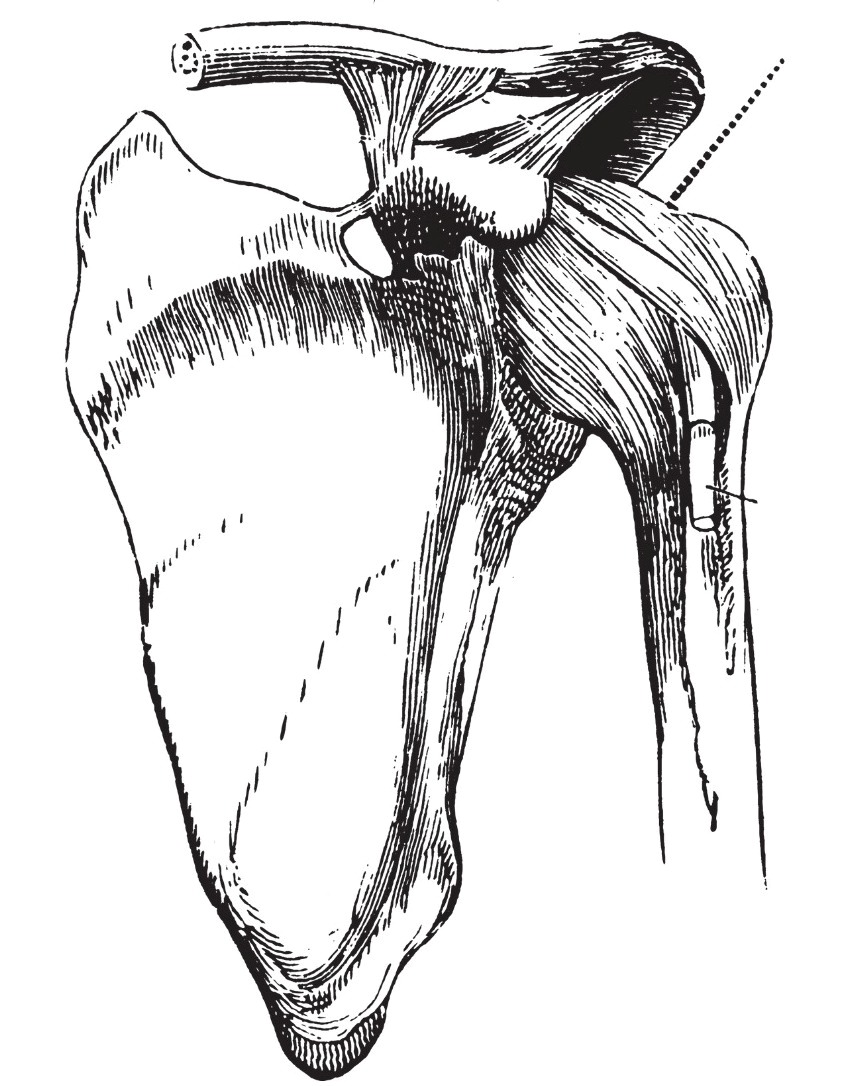
New collagen fibres often form in a tight, disorganised pattern, especially after radiotherapy. Surrounding tissue loses its natural stretch, most often around joints like the shoulder, which can limit reaching, lifting or getting dressed.
Cording and fibrosis
After lymph nodes are removed from the armpit, many people develop cording (axillary web syndrome): tight, rope-like bands running from the armpit down the arm. Radiotherapy can also cause radiation fibrosis, where treated tissue stiffens and thickens, sometimes months or years later. Both are best managed early, alongside good movement work and lymphoedema care where needed.
Pain or numbness
Surgery often affects nerve endings, which can leave a scar oversensitive, numb, or prone to a burning or pulling sensation, especially when you move.
How you feel in your body
Scars from cancer surgery often carry real emotional weight. Learning to touch and massage the area again can help you feel more confident and more in control of your recovery, alongside the physical benefits.
If you feel we could help you
Book your first assessment
What scar therapy involves
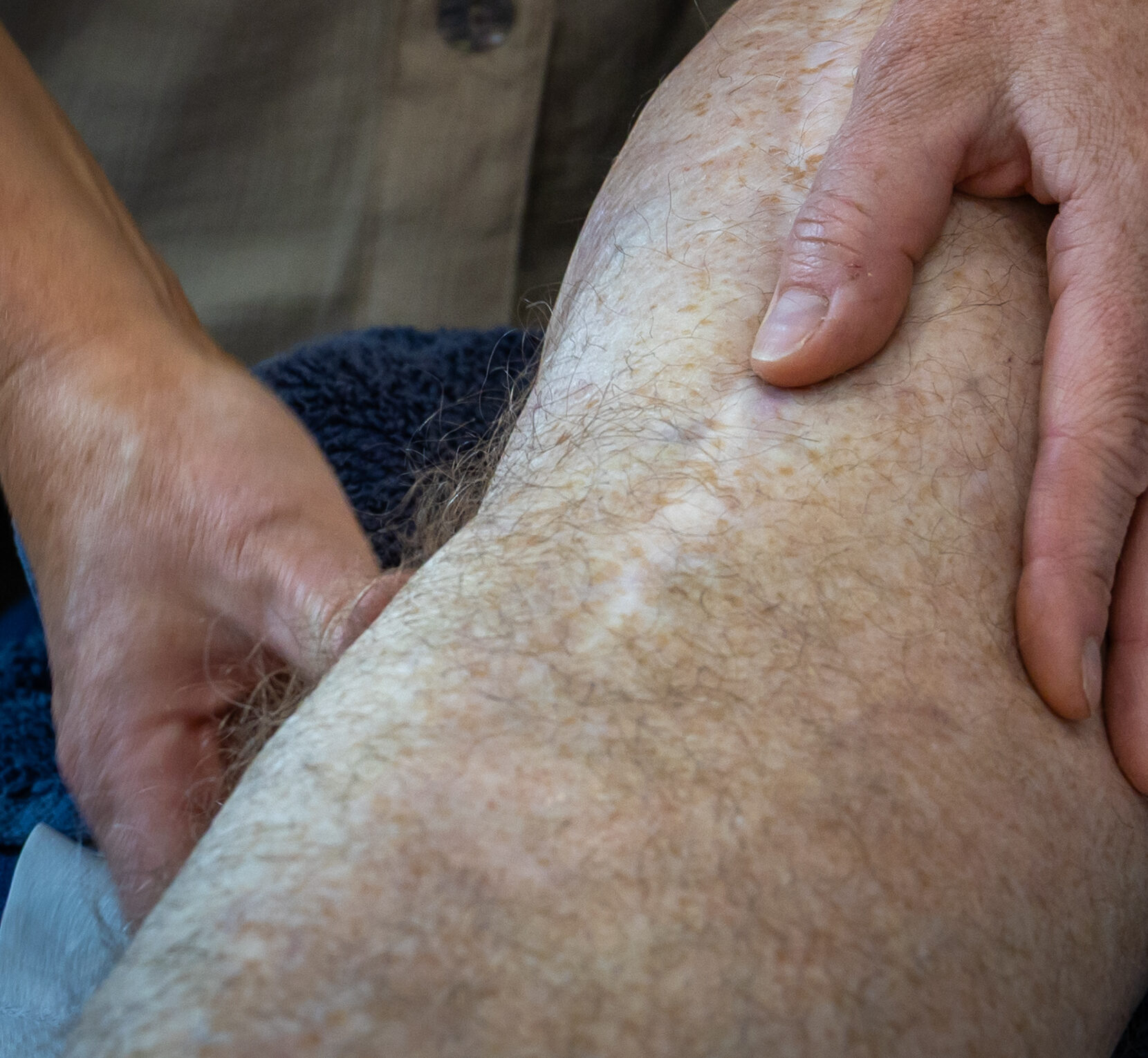
Scar therapy isn't a single treatment. It usually combines hands-on techniques with a home programme, tailored to how your scar presents.
Scar therapy combines hands-on treatment with a home programme, tailored to your scar.
- Assessment of how your scar is healing and moving, including any cording, swelling, numbness or pain
- Gentle scar massage and mobilisation to free the scar from the tissue beneath
- Adhesion massage therapy for scars that feel stuck down, including abdominal scars after or scars around joints surgery
- Graded stretching and movement work
- Breathing exercises to ease stiffness and support lymphatic flow
- A simple home programme covering self-massage, moisturising, silicone products and sun protection
- Liaison with your surgical or oncology team where needed
Hands-on work usually starts six to eight weeks after surgery, once your wound has closed and your surgical team gives the go-ahead.
When to seek help
- Tightness, pulling or restricted movement in the area, especially the shoulder, chest or neck
- A cord-like band under the skin, particularly running down the inner arm after underarm surgery
- Ongoing pain, burning, numbness or oversensitivity around the scar
- A scar that feels increasingly thick, raised or stuck down as it matures
- Any new swelling in the arm, hand, chest or affected limb, which could indicate lymphoedema
.
"I have been seeing Sarah for postpartum recovery since I was around 9 weeks PP. I had an emergency c-section so I was concerned about scar healing, recovery and returning to exercise.....She even went out of her way to understand my sport and tailor my training accordingly. Every session she checked my scar healing and gave me additional techniques to loosen the fascia underneath the scar so that my skin regains its elasticity and long term recovery." Naomi
"I can’t recommend Sarah highly enough. Following surgery, I saw Sarah for scar management, and the difference her treatment has made has been remarkable.
From the very first appointment, Sarah was incredibly attentive, taking the time to listen, explain everything clearly, and tailor her approach to my needs. She is warm, friendly, and genuinely caring, which made every session a positive experience.
Her expertise and treatment have really helped improve my scar, and I’m so grateful for the support and guidance she provided throughout the process. If you’re looking for a knowledgeable and compassionate physiotherapist, Sarah is exceptional." Russ
Why wait for tomorrow?
Book your appointment today to get the help you need
FAQs for Baslow Physiotherapy Services

The nature of individual health problems means that previous success in helping patients with these problems is no indicator of a guaranteed positive outcome for everyone. We are unable to predict or guarantee outcomes for any patients.