Diagnostic Ultrasound Scanning
Private ultrasound scanning in North Derbyshire. Specialist Musculoskeletal Ultrasonography
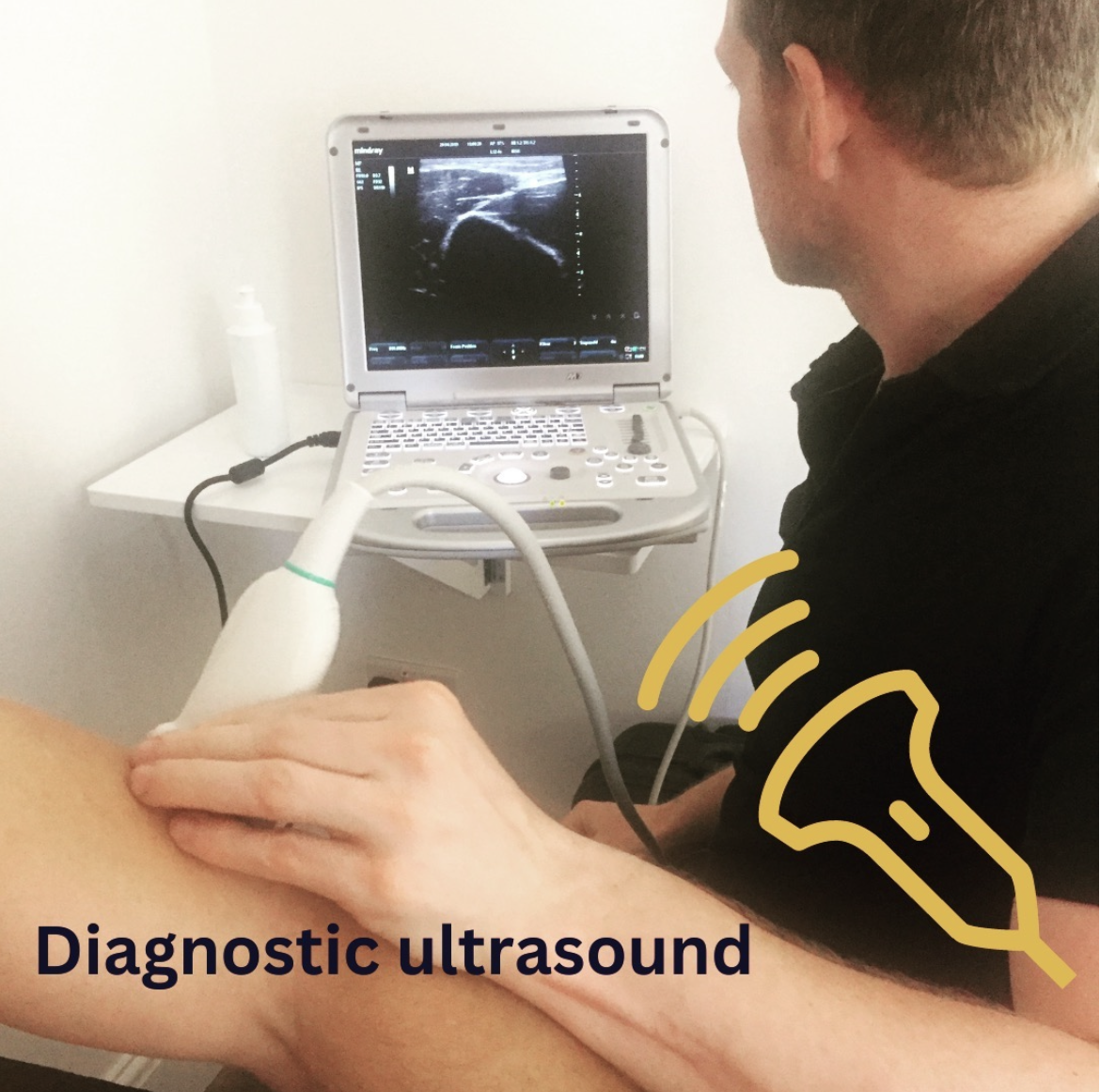
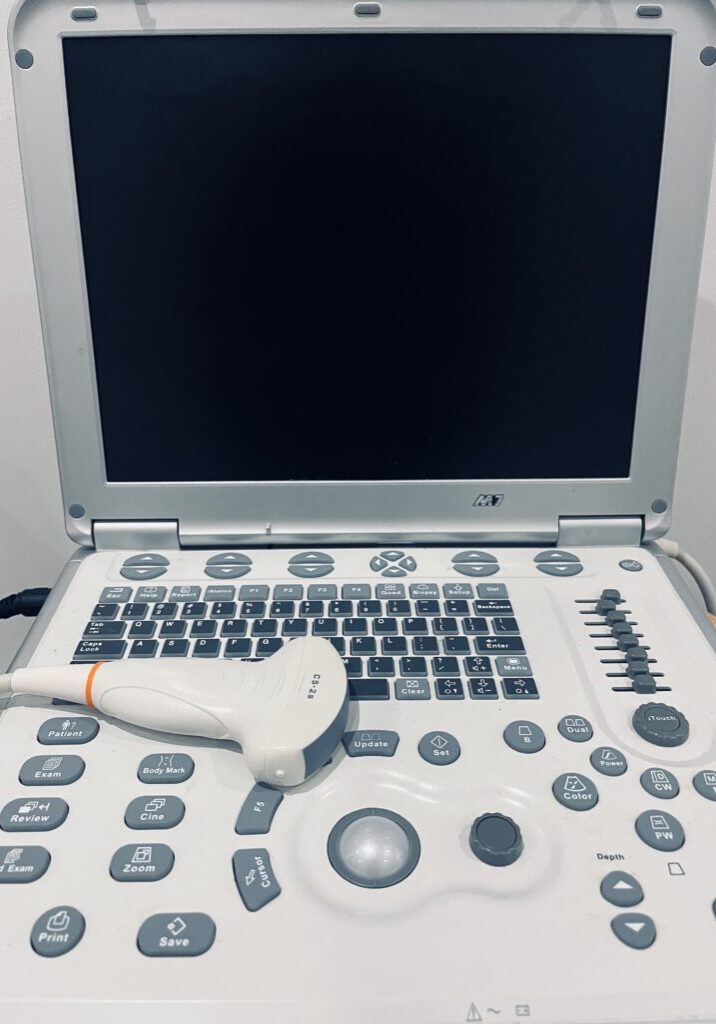
Diagnostic ultrasound is an essential tool used in our physiotherapy clinic to support the precise evaluation and treatment of many musculoskeletal conditions.
You can self refer for an ultrasound scan. We do also take referrals from other medical professionals such as GPs, Chiropractors or Physiotherapists
Why book an ultrasound scan?
Diagnostic ultrasound is the gold standard imaging for most musculoskeletal injuries, preferred to MRI for many tendon, ligament and soft tissue injuries due to the dynamic nature of the assessment.
Ares that can be scanned include:
Achilles tendon
Patella tendon
Elbow tendons (golfers and tennis elbow)
Shoulder (rotator cuff) tendons
This is in addition to suspected tears to muscles or ligaments in most other joints

The scan is painless, though you may feel slight pressure if the area is tender. The whole process is usually quick and safe. Once the images are taken, Guy will explain the results and discuss the next steps for your treatment or care plan.
Before the scan, Guy will ask you about your symptoms and the history of your injury. This helps him decide if an ultrasound is the right test for you.
You’ll be asked to lie down comfortably, with your limb supported. A small amount of cool, harmless gel will be applied to your skin, and the ultrasound probe will be gently moved over the area. This allows the machine to create clear images of the muscles, tendons, and other tissues underneath.
If you feel we could help you
Book your first assessment
How does diagnostic ultrasound work?
The use of sounds waves for ultrasound
Diagnostic ultrasound uses high-frequency sound waves to create detailed images of the tissues inside your body. The probe sends these sound waves into the area being examined. As the waves travel through different tissue, such as muscle, tendon, ligament, or fluid, they bounce back at different speeds. These returning echoes are picked up by the probe, and the machine converts them into real-time images on the screen.
These images are useful to::
See the structure of muscles, tendons, ligaments, and other soft tissues
Identify injuries, such as tears, strains, or inflammation
Assess how well tissues are healing or how severe an injury is
Check for abnormal fluid or swelling around joints or tissues
Guide treatment decisions, including exercises, therapy, or further investigations
Ultrasound is particularly useful because it shows moving tissues in real time, meaning the clinician can observe how your muscles or tendons move as you gently flex or extend your limb. This dynamic view can reveal problems that may not show up on other types of scans.
What can't be scanned?
Please note that diagnostic ultrasound is not used for the following:
Spinal problems
Lumps/bumps
or abdominal tissue;
as these require different types of diagnostic tests.

An ultrasound scan can be a key part in confirming a diagnosis of an injury. It can also be a useful adjunct to overall medical and physiotherapy care as our patients below can confirm.
"Guy performed an ultrasound scan and has laid out next steps / set me on the road to recovery. Would thoroughly recommend." Andrew
"Thank you so very much for the brilliant knee scan and all your superb help and treatment Guy. The scan, your diagnosis and advice has given me huge peace of mind re training to set off again on my run from UK to Kathmandu as soon as possible. I am so very grateful." Rosie
Why wait for tomorrow?
Book your appointment today to get the help you need
FAQs for Baslow Physiotherapy Services

Guy was professional, caring and talked everything through we me. After some questions about my shoulder pain, Guy examined my movement and felt around the area. The ultrasound was fairly quick and very comfortable. I came away feeling reassured and more confident about my problem with a plan of how to get better"
Jack
I had a diagnostic ultrasound scan of my Achilles tendon with Guy after months of on and off pain.
He explained everything clearly as the scan was being performed. Seeing the swollen area of the tendon where I was getting pain was really helpful to better improve my understanding of the injury. I have a clear exercise plan to get on with now! Thanks Guy
Julie
The nature of individual health problems means that previous success in helping patients with these problems is no indicator of a guaranteed positive outcome for everyone. We are unable to predict or guarantee outcomes for any patients.